Scandlines and the ships on the route
Scandlines operates the Vogelfluglinie with four double-ended hybrid ferries running every 30 minutes. Meet the operator and its four ships, and see what is available on board.
The operator and its ships
Table of Contents
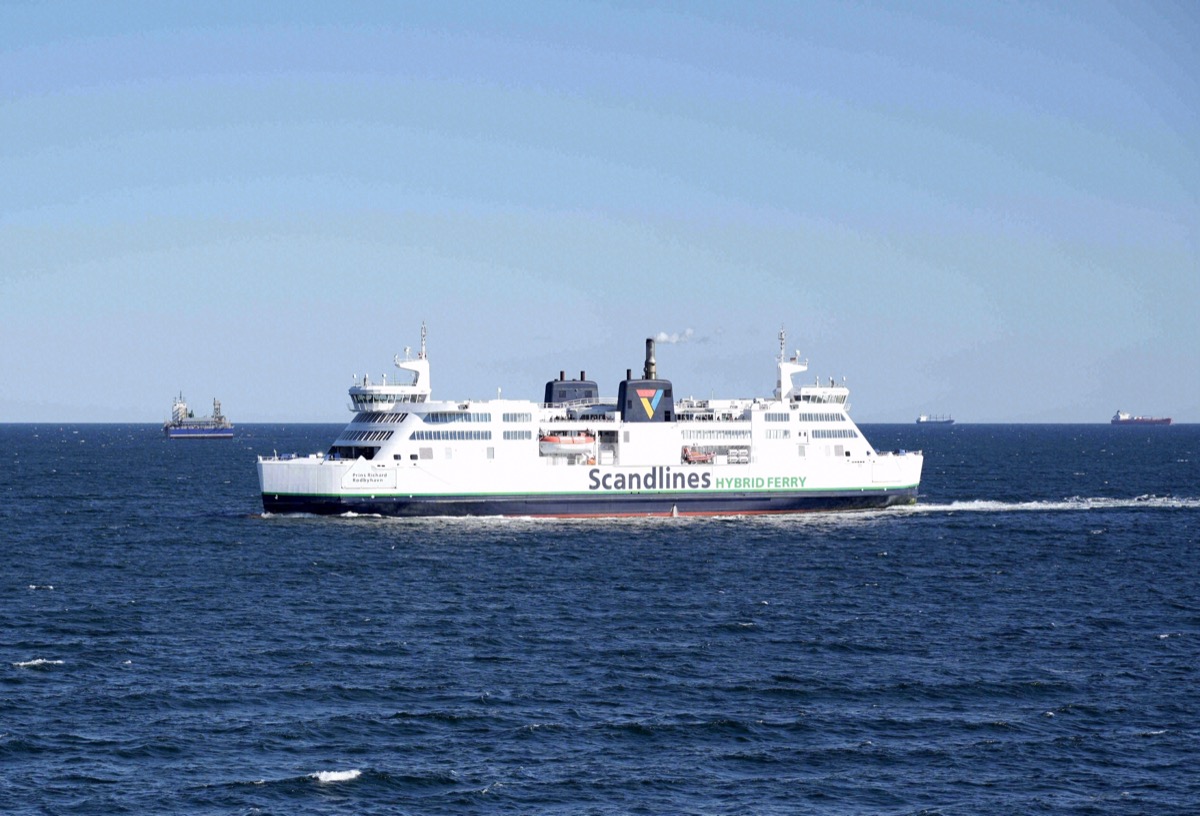
Scandlines operates the Vogelfluglinie. The company runs two routes between Germany and Denmark - Puttgarden-Rødby across the Fehmarn Belt and Rostock-Gedser across the Baltic Sea, using six hybrid ferries, four of them on the Belt. The company was formed in 1998 through the merger of the German DFO ferry company and Denmark's DSB Rederi. Scandlines also owns the port facilities in Puttgarden, Rødby and Gedser.
For travellers, the practical point is simple. Scandlines is the only operator on this route, so the choice is between departures and fares rather than ferry companies.
The four hybrid ferries of the Vogelfluglinie
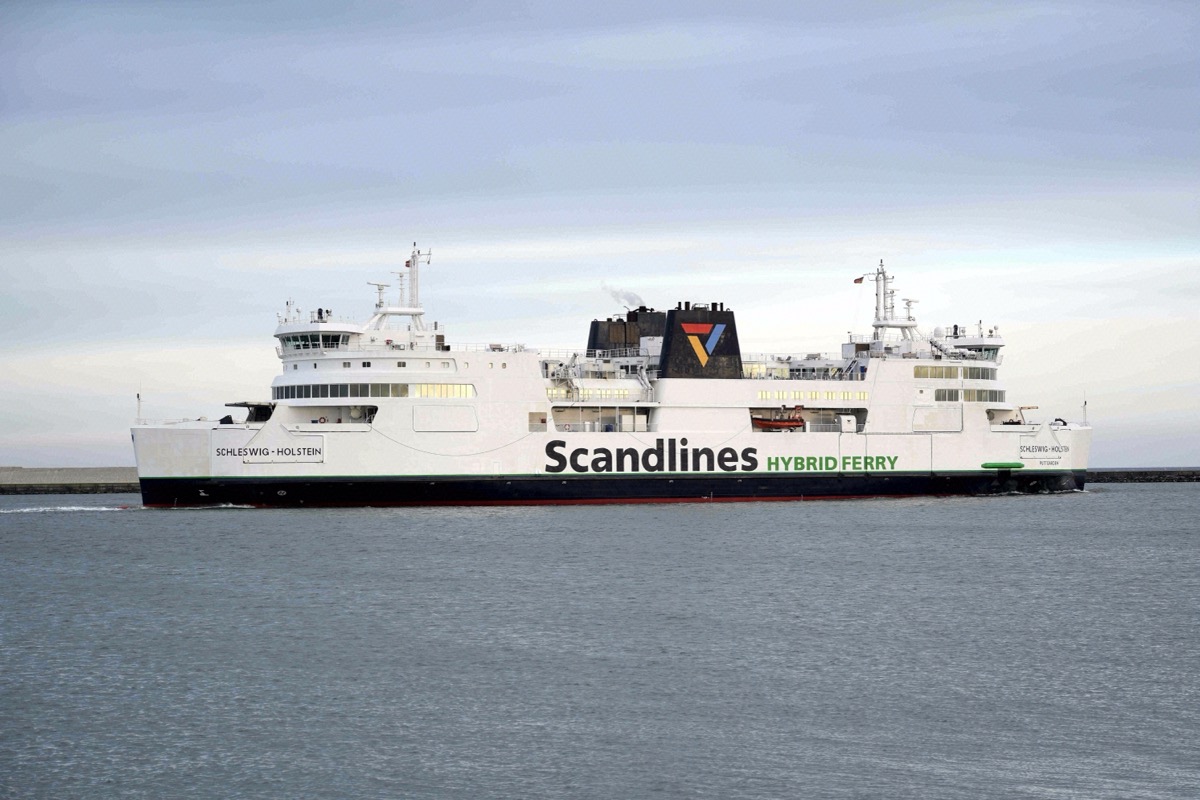
All four ships were built in 1997 specifically for this crossing. They are double-ended ferries, designed to travel in either direction without turning at the berth. Scandlines converted them to hybrid propulsion in 2013/14. Battery storage has since balanced peak loads from the diesel generators and reduced fuel consumption. The fleet comprises two pairs of sister ships with some differences in their specifications:
| Specification | Deutschland · Schleswig-Holstein | Prinsesse Benedikte · Prins Richard |
|---|---|---|
| Year built | 1997 | 1997 |
| Hybrid conversion | 2013/14 | 2013/14 |
| Length overall | 142.00 m | 142.00 m |
| Beam overall | 25.40 m | 25.40 m |
| Service speed | 18.5 knots | 18.5 knots |
| Passengers | max. 1,200 | max. 1,140 |
| Car capacity | 364 | 364 |
| Lane metres for lorries | 625 m | 580 m |
| Home port | Puttgarden | Rødbyhavn |
Figures are taken from the operator's data sheets, current as of July 2020.
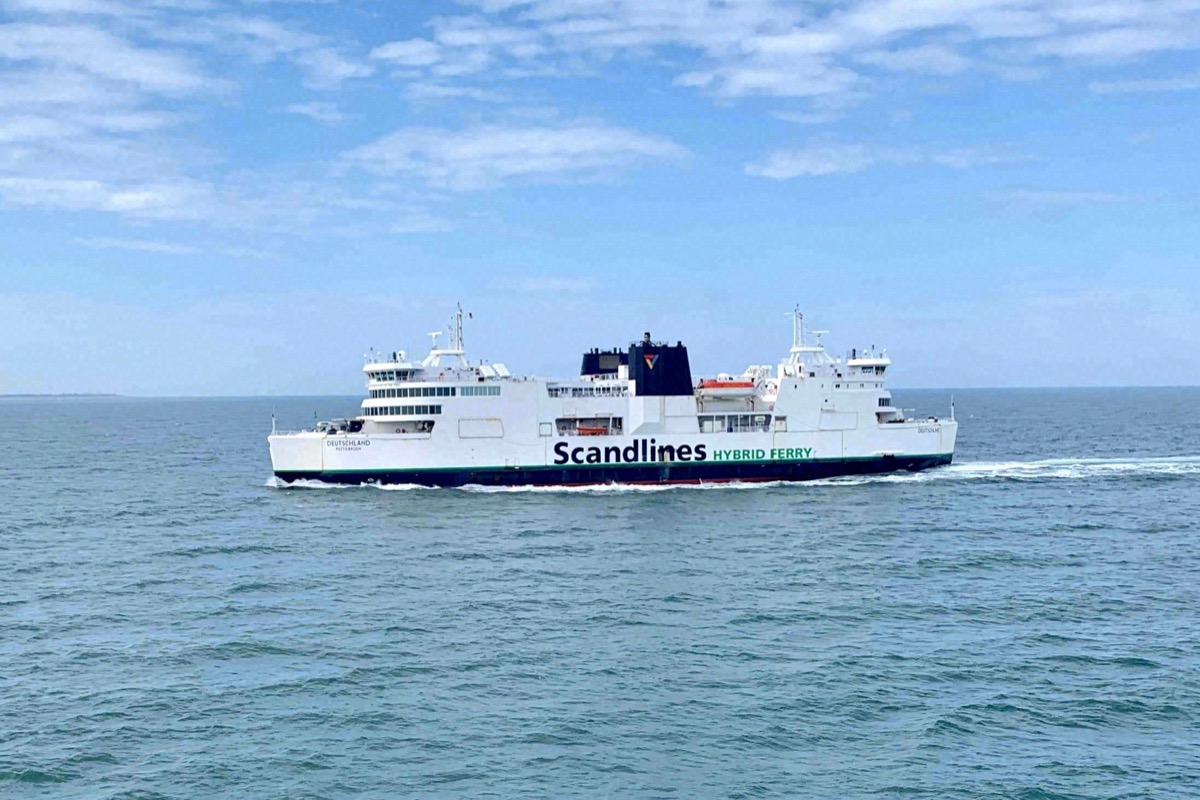
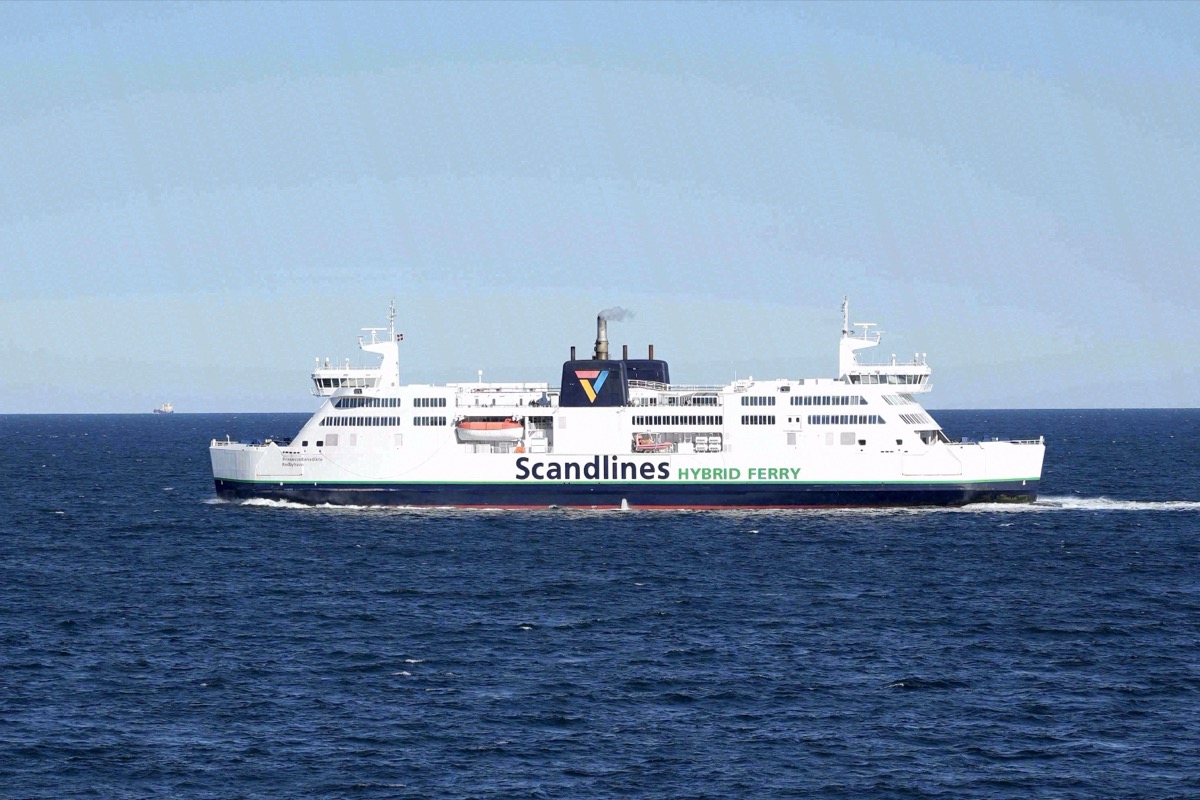
Deutschland and Schleswig-Holstein were launched in the Netherlands and are registered in Puttgarden. Prinsesse Benedikte and Prins Richard were built in Frederikshavn, Denmark, and belong to Rødbyhavn. In practice, passengers notice no difference. The four ships share the service, and the operating roster determines which vessel runs each departure.
From train deck to car ferry
The four ships were built as combined train and car ferries. Each still has a 118-metre railway track on its main deck. Until the end of 2019, trains between Hamburg and Copenhagen boarded the ferry in Puttgarden. They now travel via the Great Belt, and the track is no longer used in regular service. Today, the vessels operate solely as vehicle and passenger ferries, with space for 364 cars on each departure.
The Baltic Whale carries freight separately
Since 2026, a seventh vessel has reinforced the route. The Baltic Whale is one of the world's largest battery-powered ferries. It carries freight and dangerous goods, easing the load on the four passenger ferries. It does not affect passenger journey planning, as passenger bookings use only the hybrid ferries. For Scandlines, the ship is a step towards its stated goal of operating with zero direct emissions by 2040.
On board
The 45-minute crossing means no buffet restaurant and no cabins, but distances on board are short.
- Scandlines Food Express, cafeteria serving hot meals, sandwiches and snacks.
- Scandlines Coffee, coffee bar with pastries and Starbucks products.
- On-board shop, confectionery, drinks and travel essentials; for a larger shop, visit the BorderShop at Puttgarden terminal.
- Sun deck, the best place in good weather, with views of Fehmarn, the Belt tunnel construction site and passing ships.
There is no Wi-Fi on board, but it is free in the waiting areas at both ports. You can pay in euros or Danish kroner, and card is the easiest option. Dogs are allowed in areas without carpet; see Dogs and pets for the rules.
Ports and boarding
Scandlines owns both ports, which makes the handling process consistent. The blue lane is for cars, the yellow lane for larger vehicles, and foot passengers board via an access bridge. See Puttgarden port and Rødby port for directions, and Check-in for the terminal process.
FAQ
Frequently asked questions about Scandlines and its ships
Which ships operate on the Puttgarden-Rødby route? +
The four hybrid ferries Deutschland, Schleswig-Holstein, Prinsesse Benedikte and Prins Richard. All four are double-ended ferries built in 1997 and converted to hybrid propulsion in 2013/14. The timetable shows which ship operates your departure.
Do trains still travel on the ferries? +
No. The ships still have a railway track from their days as train ferries, but trains between Hamburg and Copenhagen have travelled via the Great Belt since the end of 2019. The ferries now carry cars, motorhomes, coaches and lorries.
What is a double-ended ferry? +
It is a ship with the same shape at the bow and stern, allowing it to travel in either direction. It does not have to turn at the berth, which is one reason the 30-minute service works on this short route.
What is The Baltic Whale? +
It is a battery-powered freight ferry that Scandlines introduced on the route in 2026, and one of the largest of its kind in the world. It carries freight and dangerous goods and cannot be booked by passengers.
Is Wi-Fi available on board? +
Not on the ferries operating this route, but Wi-Fi is free in the waiting areas at both ports. During the 45-minute crossing, mobile coverage is usually available on the Belt.
How much does the crossing cost? +
That depends on your vehicle, ticket type and when you book. See Prices and fares for all ticket types.
Book your crossing with Scandlines
Reserve your ticket for the Puttgarden-Rødby ferry route.